

Main Equipment of the Solvents Plant

Do you have any other questions?
We are pleased to receive your inquiries and provide solutions that meet your needs.
Main Equipment of the Solvents Plant
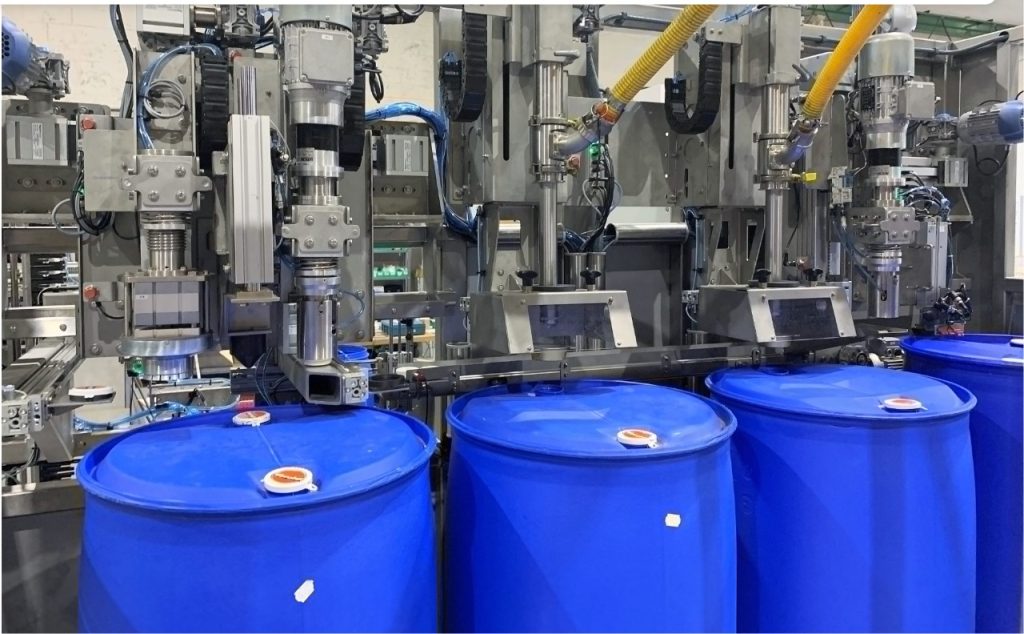
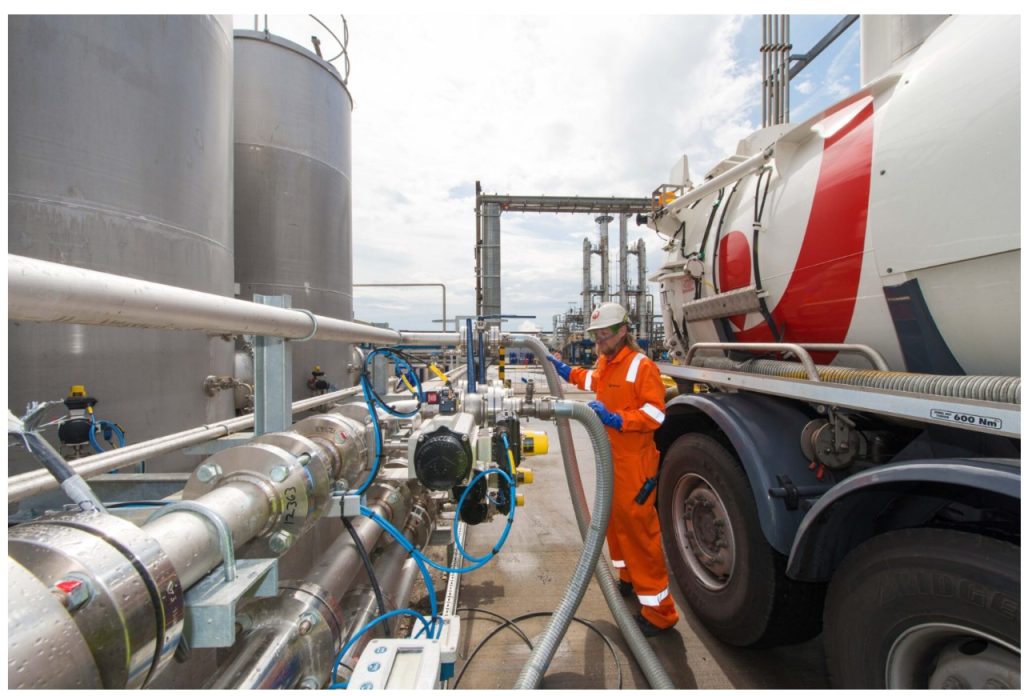
- Plant Specifications :
Hydrogenation reactors are used to convert undesirable components, such as mercaptan-containing and sulfur compounds, into less reactive forms or to remove them completely from the product.
Fractionating columns perform the technical separation of the feed stream into fractions/products according to the boiling points of each component. In our system, there are three consecutive separation stages:
First Column — Naphtha & Gas Separation: Receives the feed stream or the output from the reactors, where lighter components (gases and light naphtha) rise to the top of the column and are withdrawn as a separate product.
Second Column — White Spirit Separation: An additional refining stage to enhance the purity and specifications of White Spirit to the Special level (higher standards in terms of clarity, color, and odor-free quality)
Third Column — Special White Spirit Separation: Isolates a series of compounds with close boiling points to produce White Spirit, used as an industrial solvent or for commercial applications.
Reboilers are a key component of the distillation column system; their function is to provide the necessary heat to vaporize part of the liquid at the bottom of the column and send the vapors upward for the separation process. In our system, they are heated using hot oil to ensure a consistent and controllable heat transfer.
Heat exchangers play a crucial role in transferring heat between different process streams — cooling final products before storage, recovering heat to improve plant efficiency, or heating/cooling feed streams before subsequent processes.
Common types: Shell & Tube exchangers, Plate exchangers, or integrated exchangers depending on the application.
Functions in the production line:
Cooling the final product to protect storage tanks and prevent degradation.
Recovering heat from hot streams to preheat cold streams (improving energy efficiency).
Pumps are the lifeblood of fluid transfer within the plant — from feed to reactors, between columns, and from heat exchangers to storage tanks. We primarily use centrifugal pumps for high flow rates
Reactors/vessels containing activated carbon are used to absorb organic impurities, odor- and color-causing compounds, and to enhance product quality to higher market standards. Activated carbon is characterized by a very high internal surface area and excellent adsorption capacity for coloring compounds and odors.